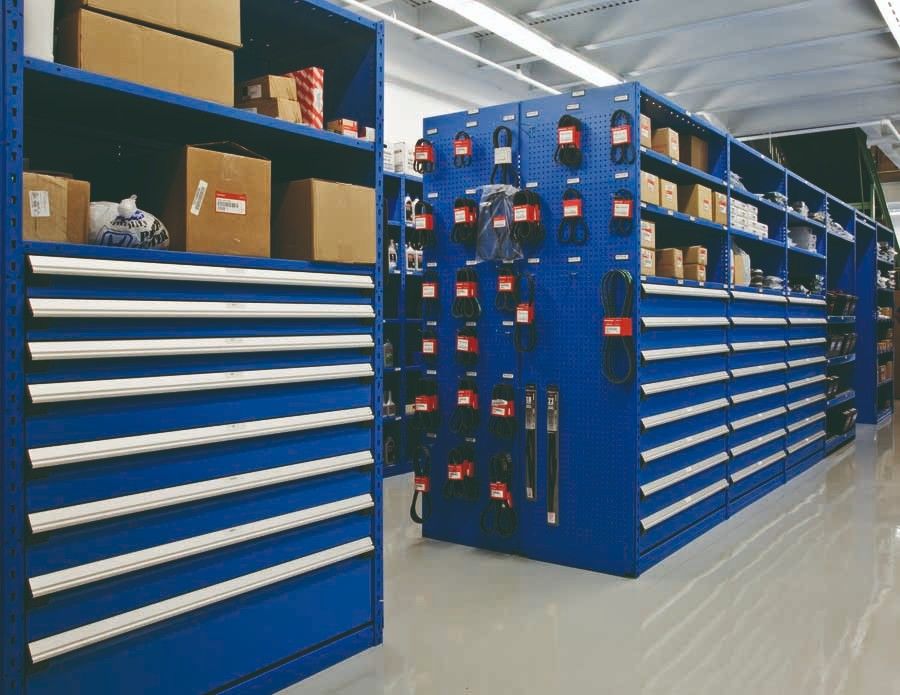
In heavy engineering environments, storage is about much more than keeping tools and parts organized. The way equipment, components, and supplies are stored can directly influence productivity, safety, inventory control, and floor space utilization. Whether managing a manufacturing plant, maintenance facility, utility operation, aerospace workshop, or industrial modular cabinet system, selecting the right industrial modular cabinets can have a lasting impact on operational efficiency.
Three names frequently appear in conversations about industrial storage solutions: Lista, Rousseau, and Vidmar. Each manufacturer offers durable modular cabinet systems designed for demanding industrial environments, yet they approach storage challenges differently.
Understanding those differences can help facility managers, engineers, maintenance supervisors, and procurement teams make a more informed decision.
Quick Answer
When comparing industrial modular cabinets for heavy engineering facilities, Lista is often preferred for precision organization and highly customizable storage layouts, Rousseau for flexibility and modular workspace integration, and Vidmar for heavy-duty applications requiring maximum storage density.
The right solution depends on the type of equipment being stored, available floor space, workflow requirements, and long-term operational goals.
At-a-Glance Comparison
| Feature | Lista | Rousseau | Vidmar |
| Best Known For | Precision organization | Modular flexibility | Heavy-duty storage |
| Common Industries | Aerospace, manufacturing, healthcare | Manufacturing, maintenance, education | Utilities, heavy engineering, military |
| Customization Options | Extensive | Extensive | Strong |
| Storage Density | High | High | Very High |
| Workspace Integration | Strong | Strong | Moderate |
| Heavy Load Performance | Very Good | Very Good | Excellent |
| Future Scalability | Excellent | Excellent | Good |
| Ideal Use Case | Tool control and precision storage | Flexible and evolving workspaces | Dense storage of heavy equipment |
Why Cabinet Selection Matters More Than Many Facilities Realize
When organizations evaluate storage systems, the focus often begins with dimensions, load capacity, and cost.
However, the real impact of storage systems extends far beyond the cabinet itself.
Poorly organized facilities frequently encounter challenges such as:
- Excess time spent searching for tools
- Duplicate inventory purchases
- Equipment damage
- Inefficient workflows
- Limited floor space
- Reduced technician productivity
- Safety concerns caused by cluttered work areas
According to workplace organization principles promoted by the Lean Enterprise Institute, reducing wasted motion and improving workplace organization can significantly improve operational efficiency.
In many cases, the storage system becomes a critical component of broader lean manufacturing and continuous improvement initiatives.
Common Storage Challenges in Heavy Engineering Facilities
Before comparing manufacturers, it is worth examining the problems these systems are designed to solve.
- Tool Accountability: Engineering facilities often manage hundreds or thousands of specialized tools. Without a structured storage system, misplaced tools can create delays and increase replacement costs.
- Space Constraints: Expanding facility space is expensive. Many organizations instead focus on increasing storage density within their existing footprint.
- Inventory Visibility: When components and supplies are difficult to locate, purchasing departments may unknowingly order duplicate inventory.
- Workflow Inefficiencies: Even small amounts of time spent locating tools can accumulate into significant productivity losses over the course of a year.
This is one reason many organizations invest in high-density industrial cabinets rather than relying on traditional shelving systems.
Understanding Lista Storage Systems
Lista has become widely known for its highly organized storage environments and extensive customization capabilities.
Many facilities use Lista systems for storing:
- Precision tooling
- Inspection equipment
- Calibration instruments
- CNC tooling
- Electronics components
- Laboratory equipment
Where Lista Often Fits Best
- Organizations that prioritize detailed organization frequently consider Lista because of its broad range of drawer configurations, dividers, and storage accessories.
- In environments where every tool has a designated location, this level of customization can support inventory control and workplace efficiency.
Potential Considerations
- Facilities should invest time in planning drawer layouts and storage configurations to maximize the benefits of the system. The greatest value typically comes when storage is carefully aligned with operational workflows.
Understanding Rousseau Storage Systems
Rousseau is often selected by organizations looking for adaptable storage solutions that can evolve as operational needs change.
Its modular approach has made it popular in:
- Manufacturing facilities
- Maintenance departments
- Educational institutions
- Government workshops
- Industrial service environments
Where Rousseau Often Fits Best
- One of Rousseau’s strengths is flexibility.
- As facilities expand, reorganize departments, or modify workflows, storage configurations can often be adjusted without replacing entire systems.
- This makes Rousseau particularly attractive for growing organizations that expect their storage requirements to change over time.
Potential Considerations
- Facilities with extremely heavy tooling inventories should carefully compare drawer capacities and storage density requirements during the evaluation process.
Understanding Vidmar Storage Systems
Vidmar has long been associated with heavy-duty industrial storage applications.
The brand is commonly found in facilities where large volumes of tools, machine components, maintenance supplies, and industrial equipment must be stored efficiently.
Where Vidmar Often Fits Best
- Organizations seeking high-density industrial cabinets frequently evaluate Vidmar because of its ability to maximize storage capacity while minimizing floor space requirements.
- For facilities where every square foot matters, dense storage configurations can significantly improve space utilization.
Potential Considerations
- Facilities focused on integrated workstation environments may wish to compare workspace accessories and expansion options across multiple manufacturers.
Lista vs Rousseau vs Vidmar: A Practical Comparison
Rather than asking which manufacturer is best, a better question is which system aligns most closely with operational goals.
- For Precision Organization: If detailed tool management and inventory control are top priorities, Lista is often a strong candidate. Facilities that rely on specialized tooling and calibrated instruments frequently benefit from highly structured storage layouts.
- For Flexibility and Future Growth: When departments evolve regularly or workflows change over time, Rousseau’s modular approach provides valuable flexibility. Many organizations appreciate the ability to reconfigure storage without replacing major infrastructure.
- For Storage Density and Heavy Equipment: When maximizing storage capacity is the primary objective, Vidmar is frequently considered because of its focus on dense, heavy-duty storage applications. Facilities managing large inventories of metal components, tooling, and maintenance equipment often prioritize this capability.
How to Choose the Right Industrial Modular Cabinet System
Every facility has different requirements.
The following framework can help narrow the decision.
Choose Lista If:
- Tool accountability is critical
- Precision equipment requires organized storage
- Custom drawer layouts are important
- Inventory control programs are a priority
Choose Rousseau If:
- Facility layouts change frequently
- Departments share storage resources
- Long-term flexibility is important
- Workspace adaptability is a key goal
Choose Vidmar If:
- Storage density is the top priority
- Heavy equipment must be stored efficiently
- Floor space is limited
- Large inventories require compact organization
Finding the Right Storage Solution for Your Facility
Selecting between Lista, Rousseau, and Vidmar often involves more than comparing product specifications. Factors such as workflow design, available floor space, inventory management requirements, and future growth plans can all influence which system is the best fit.
We work with manufacturers, maintenance facilities, utilities, government organizations, and engineering teams to evaluate storage requirements and identify solutions that align with their operational goals. Rather than focusing on a single product line, the goal is to help organizations create efficient, organized workspaces that support long-term productivity and growth.
Looking Beyond Purchase Price
One of the most common mistakes buyers make is focusing solely on initial acquisition costs.
The total cost of ownership often includes factors such as:
- Expected service life
- Future expansion costs
- Reconfiguration requirements
- Tool replacement expenses
- Labor efficiency improvements
- Reduced equipment damage
A cabinet system that costs more upfront may deliver greater long-term value if it improves productivity, reduces downtime, and supports operational growth.
This is particularly important for facilities planning to use storage systems for ten years or longer.
What Many Buyers Overlook
When comparing industrial modular cabinets, buyers often focus on cabinet specifications while overlooking factors that can have a greater impact on long-term efficiency and return on investment:
- Future Expansion: Can the storage system adapt as the facility grows?
- Workflow Integration: Does the layout support how employees actually work?
- Inventory Visibility: Will it make tools and parts easier to track and manage?
- Point-of-Use Storage: Can equipment be stored closer to where it is needed?
- Space Optimization: Will it help maximize existing floor space and delay costly expansions?
In many cases, these operational considerations influence long-term success more than drawer capacities or cabinet dimensions alone.
An Operational Perspective
In many heavy engineering facilities, the biggest challenge is not a lack of storage space.
It is an inefficient use of existing space.
Organizations often discover that productivity improvements come not from increasing storage capacity, but from creating better access to tools, improving organization, and reducing unnecessary movement throughout the facility. This is a challenge Workspace Northwest frequently helps customers address when designing storage and workspace solutions for manufacturing, maintenance, and heavy engineering environments.
A well-designed storage strategy can help technicians spend more time performing productive work and less time searching for equipment.
Conclusion
Whether evaluating Lista, Rousseau, or Vidmar, the most effective solution is one that aligns with the way your team works today while supporting future growth. By considering storage density, workflow efficiency, inventory visibility, and long-term scalability, organizations can make more informed decisions and create workspaces that support operational success.
Workspace Northwest helps businesses evaluate these factors and develop storage solutions tailored to the unique demands of industrial and engineering environments.
Frequently Asked Questions
How long do industrial modular cabinets typically last?
High-quality industrial modular cabinets are often designed for decades of use in demanding environments. Actual lifespan depends on factors such as load requirements, operating conditions, maintenance practices, and how frequently storage configurations are modified. Many facilities view modular cabinet systems as long-term infrastructure investments rather than short-term equipment purchases.
Can industrial modular cabinets be reconfigured as storage needs change?
Many modern industrial modular cabinets are designed with adaptability in mind. Drawer layouts, dividers, partitions, and accessories can often be adjusted to accommodate new tools, inventory changes, or evolving workflows. This flexibility can help facilities extend the value of their storage investment as operational requirements grow.
Are high-density industrial cabinets worth the investment?
For facilities with limited floor space, high-density industrial cabinets can provide significant value by increasing storage capacity within the existing footprint. In addition to improving organization, they may help reduce time spent locating tools and components, improve inventory visibility, and delay the need for costly facility expansion.
What should engineering facilities evaluate before selecting a cabinet system?
Beyond cabinet dimensions and load ratings, organizations should consider workflow requirements, future growth plans, inventory management processes, security needs, and available floor space. The most effective storage solution is one that supports day-to-day operations while remaining adaptable to future changes.